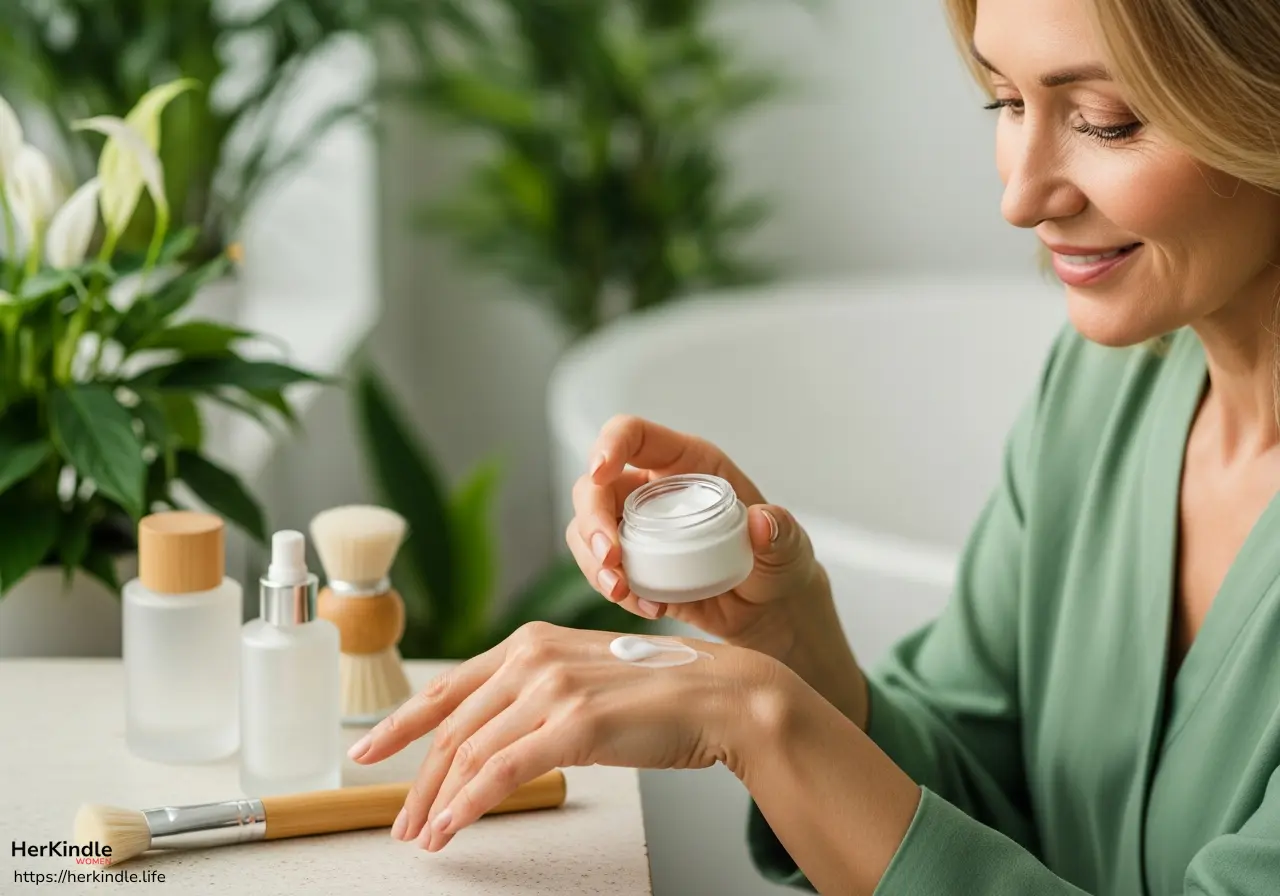
Vegan cosmetics have become a transformative force in the beauty industry, especially for women seeking ethical, cruelty-free alternatives that align with wellness and environmental responsibility. Beyond simply excluding animal-derived ingredients, vegan beauty products embody a commitment to animal welfare, sustainability, and transparent formulation practices. This shift reflects growing consumer awareness and a demand for products that nourish both skin and conscience.
Understanding Vegan Cosmetics: Standards and Certifications
Vegan cosmetics are defined by the absence of any animal-derived ingredients and strict adherence to cruelty-free production methods. This means that beyond avoiding substances like beeswax, gelatin, lanolin, and carmine, reputable vegan products also undergo certification processes to ensure no animal testing occurs at any stage of development. Such certifications build consumer trust and provide clear ethical benchmarks for brands.
Certification requires brands to supply comprehensive documentation verifying ingredient sources and testing practices. As a result, products bearing recognized vegan labels not only satisfy ethical consumers but also gain a valuable competitive edge in an evolving marketplace focused on transparency and responsibility. These standards help consumers confidently choose cosmetic solutions aligned with their values and health goals.
A detailed guide to vegan certification and its benefits can help individuals understand the care involved in selecting truly vegan cosmetics, reinforcing why these products represent a conscientious lifestyle choice.
Key Ingredients to Avoid and Vegan Alternatives in Cosmetics
Many traditional cosmetics rely on animal-derived components, which are now being replaced by innovative vegan alternatives that offer equivalent or superior benefits. Common animal-based ingredients to avoid include:
- Lanolin: Derived from sheep’s wool, replaces by nourishing plant oils like shea butter and coconut oil.
- Carmine (CI 75470): A red pigment from crushed insects, substituted with synthetic dyes or natural plant-based colorants like beetroot powder.
- Keratin: Traditionally sourced from animal hair and hooves, supplanted by hydrolyzed plant proteins from wheat or soy for hair care benefits.
- Gelatin: Used as a gelling agent, replaced by plant-based alternatives such as agar agar derived from seaweed.
- Mink oil and animal tallow derivatives: Substituted with vegetable oils including almond, avocado, and jojoba oils, providing similar moisturizing and textural properties.
The use of these vegan ingredients not only removes animal exploitation but often results in gentler, more skin-friendly formulations suitable for sensitive skin. Awareness of hidden animal ingredients is crucial, as some substances may appear under unfamiliar chemical names, underscoring the importance of informed choices and credible vegan certifications.
Environmental Impact of Vegan vs. Traditional Cosmetics
Switching to vegan cosmetics offers significant environmental advantages over conventional products. Vegan skincare and makeup formulations generally rely on plant-based ingredients that require less energy, water, and land to produce than animal-derived components. This reduced resource demand helps lower greenhouse gas emissions and diminishes pressure on wildlife and natural habitats.
In addition, many vegan products emphasize biodegradable ingredients and sustainable packaging, limiting pollution and waste accumulation. These eco-conscious practices contribute to cleaner aquatic ecosystems by minimizing harmful chemical residues entering waterways. As the beauty sector increasingly adopts such innovations, vegan cosmetics emerge as a pivotal element in promoting environmental stewardship alongside personal wellness.
For instance, brands focusing on vegan skincare often use botanical blends that are sustainably harvested and produce a gentler environmental footprint than traditional animal-based formulas. Consumers choosing vegan options support biodiversity conservation and encourage the cosmetic industry’s transition toward greener, more ethical production.
Market Growth and Consumer Trends in Vegan Cosmetics
The vegan cosmetics market is experiencing remarkable expansion, driven by heightened ethical awareness and environmental concerns among consumers. Valued at billions of dollars and projected to nearly double within the next decade, this sector is reshaping mainstream beauty offerings.
Key market drivers include:
- Ethical consumerism: A strong preference for cruelty-free and animal welfare-aligned products.
- Clean beauty movement: Demand for transparent, minimal ingredient lists that favor natural and vegan components.
- Millennials and Gen Z influence: These demographics prioritize sustainability, ingredient transparency, and social responsibility.
- Regulatory changes: Legislation banning animal testing in many countries bolsters market growth and encourages innovation.
Product categories such as skincare, makeup, haircare, and body care are increasingly offering vegan-certified options, making ethical beauty accessible to a broader audience. Affordable brands successfully reach mass-market consumers, ensuring that vegan cosmetics are no longer niche but integral to personal care routines. Innovations in vegan pigment and formulation technologies have significantly enhanced product appeal, especially in lip and nail makeup, further propelling market momentum.
The ongoing fusion of sustainability initiatives with veganism is expected to set new standards for product development, marketing, and consumer engagement in the years ahead.
Ethical Considerations and Animal Welfare in Cosmetics
A defining feature of vegan cosmetics is their ethical stance centered on animal welfare. The cosmetics industry’s past reliance on animal testing has posed significant moral dilemmas, prompting consumer backlash and legislative action. Today, numerous countries have instituted bans on animal testing for cosmetics, and progressive regulations are encouraging manufacturers to adopt cruelty-free methodologies.
Alternatives like in vitro testing, computer modeling, and synthetic skin substitutes have gained credibility, reducing the need for animal experiments while maintaining safety standards. The Humane Cosmetics Act and similar regulations emphasize transparency and prohibit misleading “cruelty-free” claims, ensuring integrity in ethical marketing.
Moreover, challenges persist in ingredient sourcing, as supply chains for animal-derived materials often involve low welfare standards and poor transparency. Choosing certified vegan and cruelty-free cosmetics enables consumers to support humane practices and encourage industry-wide reforms.
Informed consumer choices, combined with strengthened regulations and corporate responsibility, contribute to a more compassionate and sustainable future for the beauty industry.
Conclusion: Embracing Ethical Beauty for Wellness and Sustainability
The rise of vegan cosmetics represents a profound shift in how beauty intersects with ethics, health, and environmental consciousness. For women over 50 and beyond, incorporating vegan beauty products into daily routines offers a way to care for skin with gentle, effective botanical ingredients while aligning with values that respect animal life and the planet.
Choosing vegan cosmetics supports an expanding movement toward cruelty-free standards, sustainable production, and ingredient transparency—hallmarks of modern wellness. As consumers collectively drive market demand, brands are innovating with high-performance, eco-friendly formulations that empower individuals to look and feel their best without compromise.
Explore the growing selection of certified vegan cosmetics and discover how ethical beauty enhances not only your appearance but contributes positively to global wellness. For deeper insights into vegan lifestyle and skincare, consider visiting trusted resources such as Healthline’s comprehensive guide on vegan diets and The Vegancuts Beauty Box: Overview.
Make the informed choice today—embrace vegan cosmetics as a pathway to ethical beauty and sustainable wellness.
Frequently Asked Questions (FAQs)
Q1: What exactly qualifies a cosmetic product as vegan?
A1: Vegan cosmetics contain no animal-derived ingredients and are not tested on animals at any stage. Certifications further verify adherence to these principles.
Q2: Are vegan cosmetics suitable for sensitive skin?
A2: Many vegan products utilize plant-based, gentle ingredients that are less likely to cause irritation, making them ideal for sensitive skin types.
Q3: How can I identify hidden animal ingredients in cosmetics?
A3: Ingredients such as lanolin, carmine, gelatin, keratin, and certain glycerins may be animal-derived. Checking product certifications and ingredient sources helps ensure vegan compliance.
Q4: Do vegan cosmetics have a lesser environmental impact?
A4: Generally, yes. Vegan products avoid animal agriculture’s environmental toll and often use biodegradable, sustainably sourced ingredients and eco-friendly packaging.
Q5: Is vegan cosmetics market growth expected to continue?
A5: Yes. With increasing ethical awareness and regulatory support, the vegan cosmetics market is projected to expand significantly over the next decade.