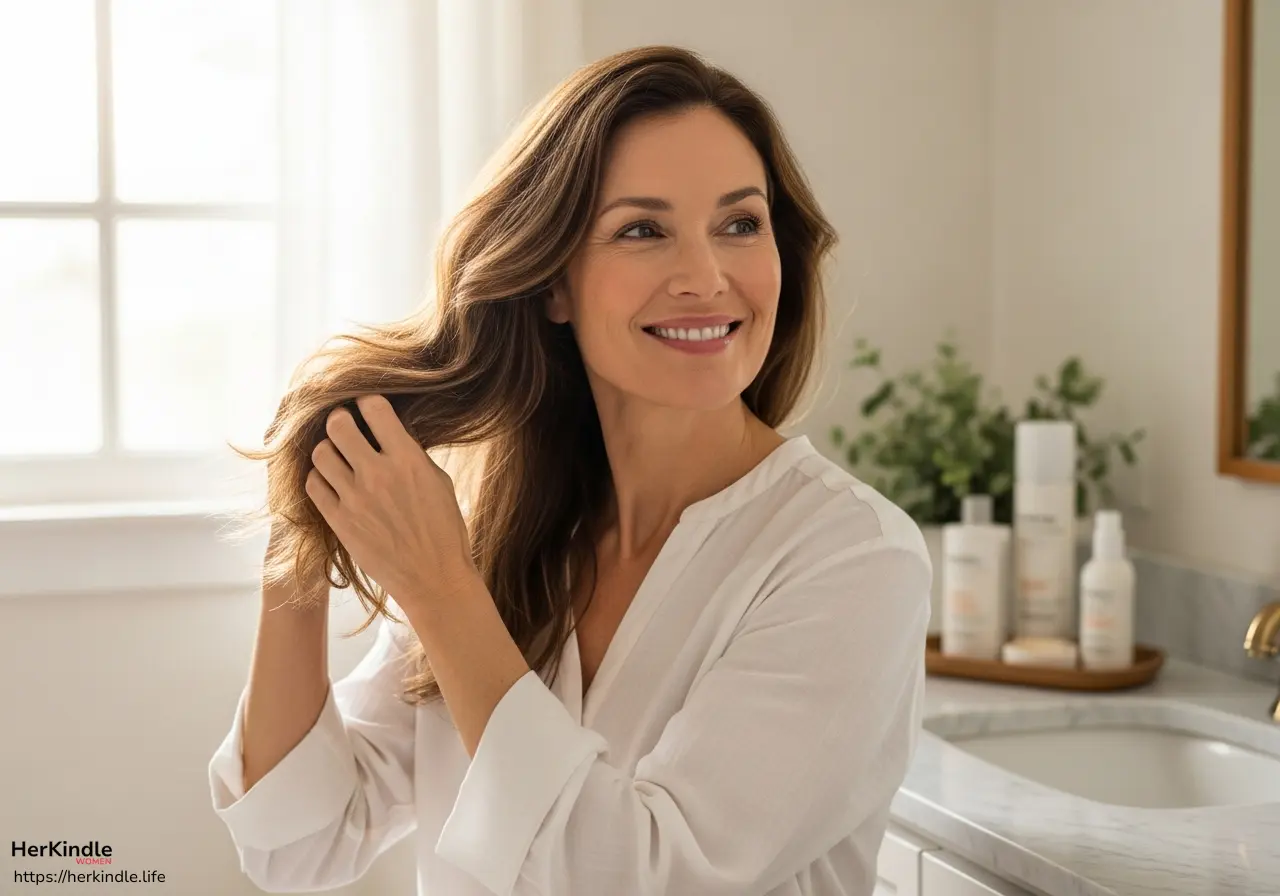
Maintaining healthy, vibrant hair is a top priority for many women, especially as we age. Developing a personalized daily hair care routine ensures not only improved appearance but also long-term hair and scalp health. This comprehensive guide provides tailored advice for women to optimize their hair care practices according to their unique hair type and lifestyle, with expert-backed tips for enhancing scalp health and selecting the best hair care products.
Personalized Daily Hair Care Routine by Hair Type
Every woman’s hair has distinct needs based on its type and texture. Understanding your hair type—whether straight, wavy, curly, or coily—is fundamental to establishing an effective daily hair care routine that promotes healthy, manageable, and radiant hair.
Straight Hair (Type 1)
Straight hair tends to accumulate oils quickly and can appear flat without volume. A balanced cleansing schedule of 2–3 times per week with a volumizing, sulfate-free shampoo helps refresh the scalp and lift roots. Lightweight conditioners should be applied primarily to the ends to prevent weighing hair down. Styling with root-lifting products and avoiding heavy oils maintains natural bounce and shine.
Wavy Hair (Type 2)
Wavy hair benefits from moisture retention and frizz control. Gentle sulfate-free shampoos used 2–3 times weekly keep hair clean without stripping natural oils. Conditioners focus on mid-lengths to ends, avoiding buildup at the scalp. Styling when damp by scrunching enhances natural wave definition, while avoiding brushing dry waves helps minimize frizz and preserve texture.
Curly Hair (Type 3)
Curly hair requires a hydration-focused regimen due to its natural porosity and tendency toward dryness. Co-washing or using sulfate-free shampoo once or twice weekly preserves essential oils. Rich, moisturizing conditioners detangle curls gently with a wide-tooth comb or fingers. Weekly deep conditioning treatments balance protein and moisture to strengthen curls and maintain elasticity. Curl creams or gels can further define curls and reduce frizz.
Coily/Kinky Hair (Type 4)
Coily or kinky hair is delicate and prone to dryness. Gentle sulfate-free shampoos or co-wash methods cleanse without stripping moisture. Deep conditioning and leave-in moisturizers are vital to hydrate and protect this hair type. Protective styles reduce manipulation and breakage, complemented by sealing moisture with natural oils or butters. Regular trims help retain length and maintain hair health.
By customizing your routine based on your hair type, you support your hair’s natural characteristics, enhancing its vitality and appearance. For additional guidance on hair types and their care, resources such as the UNice Hair offer valuable insights.
Building a Daily Hair Care Routine: Essentials and Scalp Health Integration
Crafting a daily hair care routine involves both selecting the best products and incorporating scalp health practices to create an optimal environment for hair growth and strength.
Essential Products for Daily Use
A foundational hair regimen includes a gentle, moisturizing shampoo and a conditioner suited to your hair’s moisture needs and texture. Using sulfate-free, chemical-free formulations preserves natural oils while nourishing strands. Incorporating scalp serums rich in niacinamide, caffeine, or botanical proteins can detoxify, regulate oil, and volumize hair. Heat protectants are crucial when styling with hot tools to reduce damage and maintain hair integrity.
Weekly deep conditioning masks restore moisture and strengthen strands, while leave-in conditioners and styling sprays enhance texture, volume, and shine without weighing hair down. Products like mousse, wax, and pomade can be selectively used depending on your desired look and hair type.
Prioritizing Scalp Health in Your Routine
Your scalp is the foundation of healthy hair. Addressing scalp concerns such as dryness, oiliness, flakiness, or sensitivity through a dedicated scalp health routine is essential. Gentle cleansing with non-stripping shampoos, occasional exfoliation to remove buildup, and hydration with lightweight serums support balanced scalp conditions.
Maintaining the scalp’s natural slightly acidic pH (4.5 to 5.5) prevents irritation and discourages harmful microbial growth. Nutritional support—consuming a diet rich in proteins, zinc, biotin, and omega-3 fatty acids—alongside supplements such as fish oil or specialized scalp formulations can enhance scalp and hair follicle health from within.
Daily scalp stimulation through gentle massage or brushing improves blood circulation, delivering vital nutrients to hair follicles. As Amy Roberts of Thrive Market highlights, combining balanced diet and targeted supplements is a proactive, holistic approach to scalp wellness and ultimately stronger, shinier hair.
Conclusion: Embrace a Holistic and Personalized Approach to Healthy Hair
Establishing an effective daily hair care routine tailored to your specific hair type and scalp needs is key to maintaining vibrant, healthy hair. Combining scientifically supported product choices with holistic lifestyle practices—including balanced nutrition, stress management, and regular physical activity—supports hair strength, growth, and overall scalp health.
Avoid common routine mistakes such as overwashing, excessive heat styling without protection, and tight hairstyles that stress follicles. Instead, favor gentle handling, regular conditioning, and thoughtful product selection to foster the longevity and beauty of your hair.
By adopting these expert-recommended strategies and recognizing the vital role of scalp care within your regimen, you empower yourself to enjoy strong, shiny, and resilient hair at every stage of life. Begin your personalized daily hair care routine today, and invest in your hair’s radiant future.
Frequently Asked Questions (FAQs)
Q1: How often should I wash my hair in a daily hair care routine?
A: Frequency depends on your hair type and scalp condition. Typically, washing 2-3 times per week works well, especially for curly or thick hair to preserve natural oils.
Q2: What are the best products for dry or damaged hair?
A: Moisturizing shampoos, rich conditioners, deep conditioning masks, and leave-in treatments with hydrating oils like argan oil are ideal.
Q3: How important is scalp care in daily hair maintenance?
A: Scalp health is fundamental as it supports hair growth and strength. Incorporating scalp serums and massages improves circulation and maintains a balanced scalp environment.
Q4: Can diet really impact hair health?
A: Yes, nutritional deficiencies can lead to hair thinning and loss. Consuming adequate protein, vitamins, and minerals supports robust hair follicles and shaft integrity.
Q5: What common mistakes should be avoided in hair care routines?
A: Avoid excessive washing, overheating with styling tools without protection, and neglecting to tailor products and methods to your hair type to prevent damage and dryness.